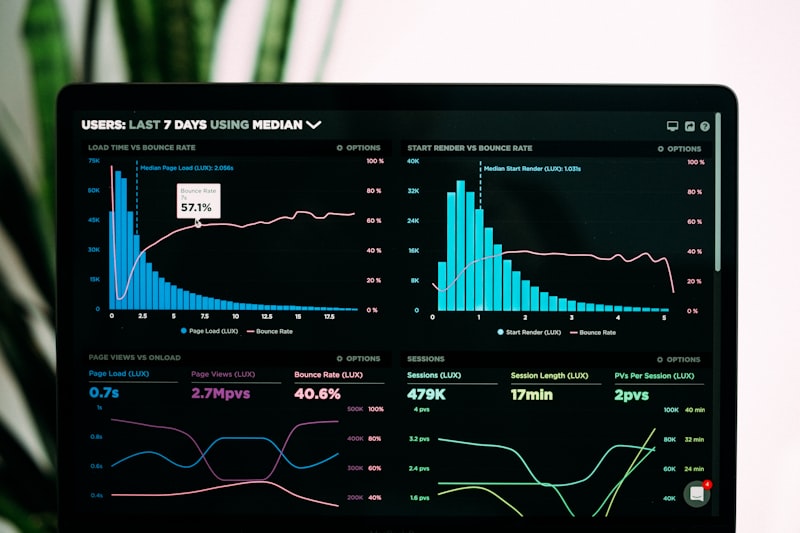
Why Core Web Vitals Matter
In 2021, Google officially made Core Web Vitals a ranking factor. These three metrics — Largest Contentful Paint (LCP), First Input Delay (FID), and Cumulative Layout Shift (CLS) — measure the real-world user experience of your website. Poor scores mean lower rankings and higher bounce rates.
Optimizing LCP (Target: Under 2.5 Seconds)
LCP measures how long it takes for the largest visible element to render. Common culprits include:
- Unoptimized hero images — Use modern formats (WebP/AVIF), proper sizing, and
fetchpriority="high" - Render-blocking resources — Defer non-critical CSS and JavaScript
- Slow server response — Implement server-side caching and consider a CDN
Reducing CLS (Target: Under 0.1)
Layout shifts frustrate users and hurt your score. Fix them by:
- Always specifying
widthandheightattributes on images and videos - Reserving space for dynamically injected content (ads, embeds)
- Using CSS
aspect-ratiofor responsive containers
Improving FID / INP (Target: Under 200ms)
Interaction to Next Paint (INP) is replacing FID in 2024. The key strategies are:
- Break up long JavaScript tasks using
requestIdleCallbackorscheduler.yield() - Minimize main-thread blocking with web workers for heavy computation
- Reduce third-party script impact with lazy loading and facades
At HerzSoft, we audit Core Web Vitals as part of every project delivery, ensuring our clients' sites meet Google's performance standards from day one.